
150+ Years of Military Excellence at Mizzou
Oct. 26, 2026
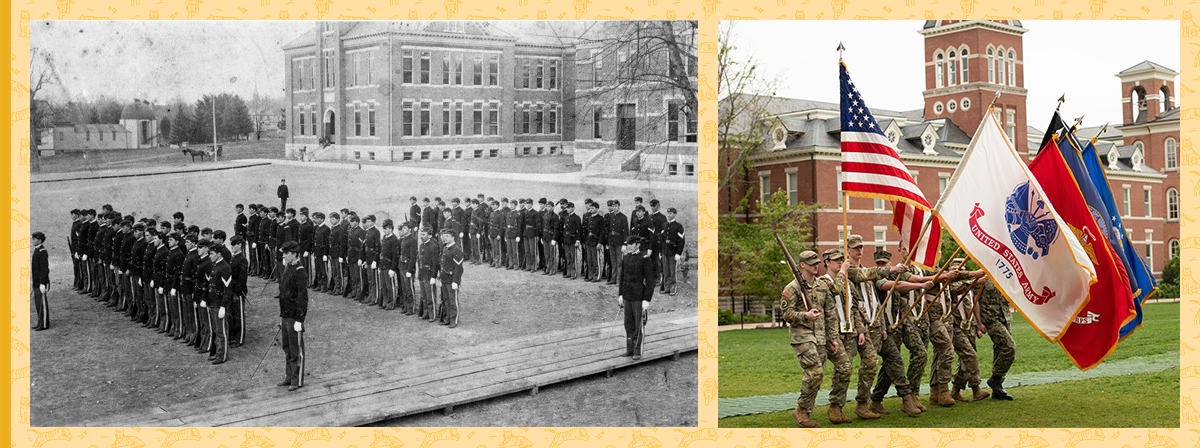
As we prepare to celebrate Veterans Day and the 100th anniversary of Memorial Student Union Tower, we’re proud to highlight Mizzou’s renowned Military Science program and its legacy of service to our country.
The program’s founding connects to Mizzou’s earliest days as a land-grant university. The Morrill Act of 1862 established the land-grant system and required military science education, among other fields of study. In response, Mizzou established the Missouri Military School in 1868 and became one of the first universities in the nation to adopt the act.
Mizzou’s Army Reserve Officers Training Corps (ROTC) program began after the passage of the National Defense Act in 1916 and has often been recognized as one of the strongest of its kind in the nation with a proven record of preparing future leaders. After World War II, Air Force and Navy programs were also established in other departments on campus. All proudly serve today, and students can commission into five different branches of the Armed Forces, including the Marine Corps and the recent addition of the Space Force.
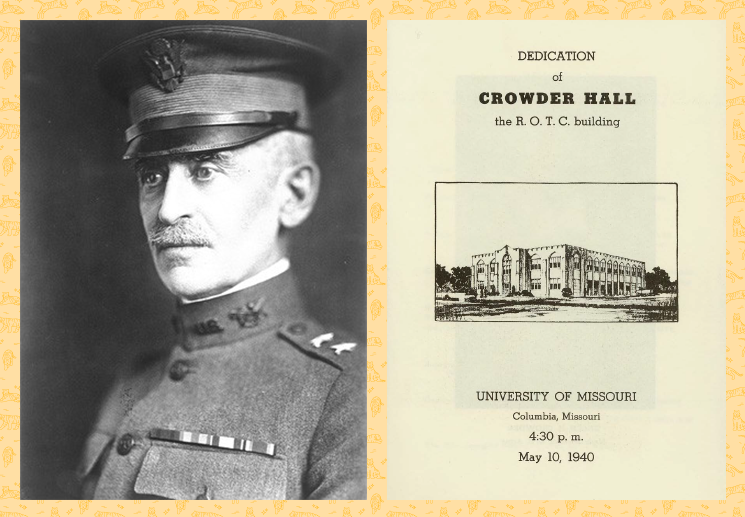
A pivotal early figure in Mizzou’s military legacy is Lt. Enoch H. Crowder who was appointed head of the military department in 1885. His visionary leadership still impacts our university, including through a cadet band he established that later became Marching Mizzou. After Mizzou, he continued his distinguished military career, retiring as a major general. Named in his honor, Crowder Hall was built in 1938 and serves as the home of Mizzou’s ROTC community.
Mizzou honors the generations of Tigers who have answered the call to serve. To learn more about Mizzou’s proud military history, please visit:
— Mun
NextGen marks 5 transformative years
Oct. 21, 2026
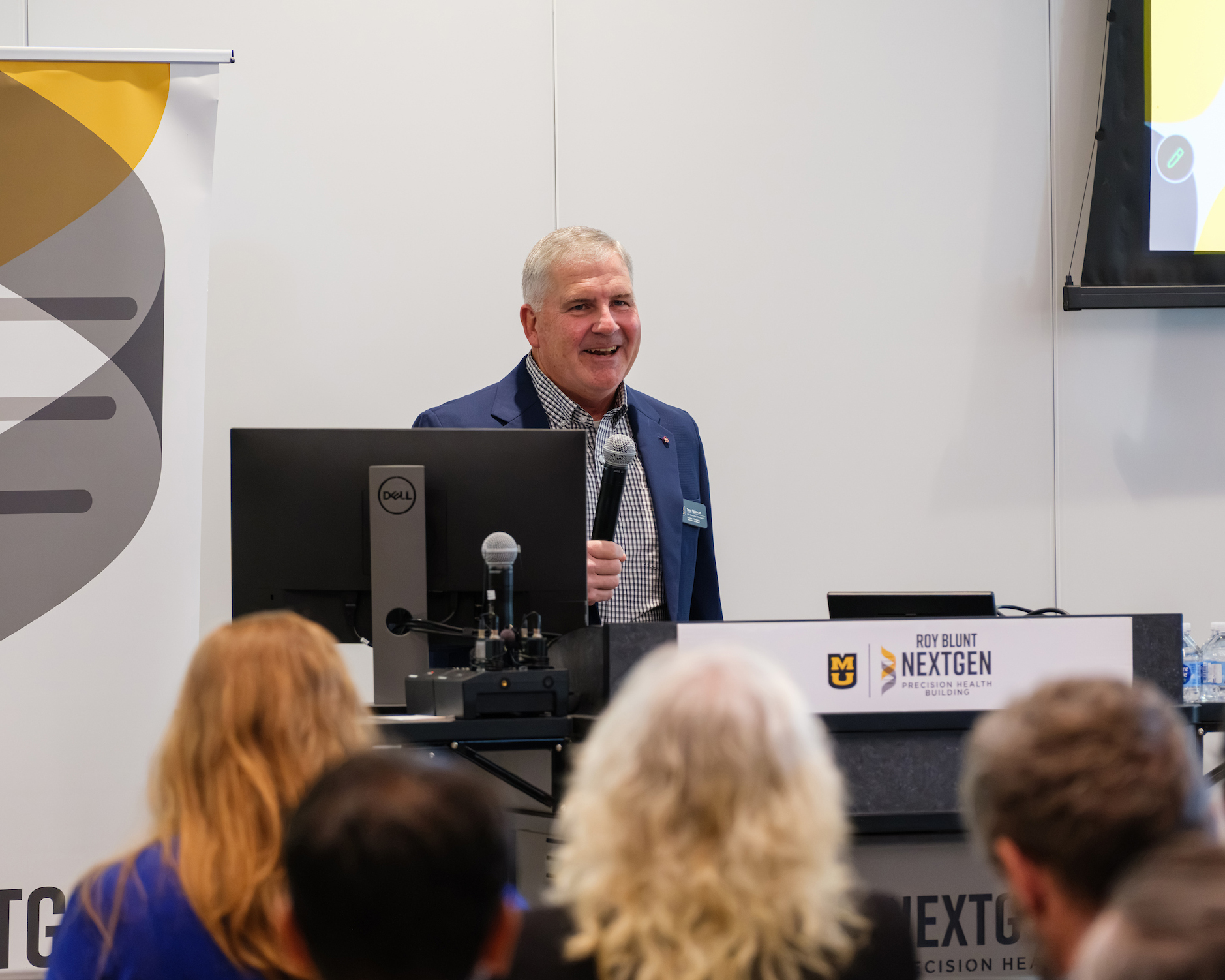
This week we hosted a celebration for the fifth anniversary of the Roy Blunt NextGen Precision Health building. Led by Vice Chancellor for Research Tom Spencer and Dr. Richard Barohn, the event showcased the facility’s incredible impact on our university and those we serve.
Since opening in October 2021, NextGen has driven a remarkable growth in research breakthroughs. The building now houses more than 530 occupants, including more than 50 research groups pioneering innovations in key areas including neuroscience and aging, cancer and immunology, AI and data science, reproductive health and biology, advanced imaging, biomaterials engineering and cardiovascular and metabolic disorders. In total, our researchers have submitted 814 grant proposals totaling nearly $1.5 billion in value. They’ve also helped secure 415 research awards, amounting to nearly $290 million so far and totaling $466 million over the next few years.
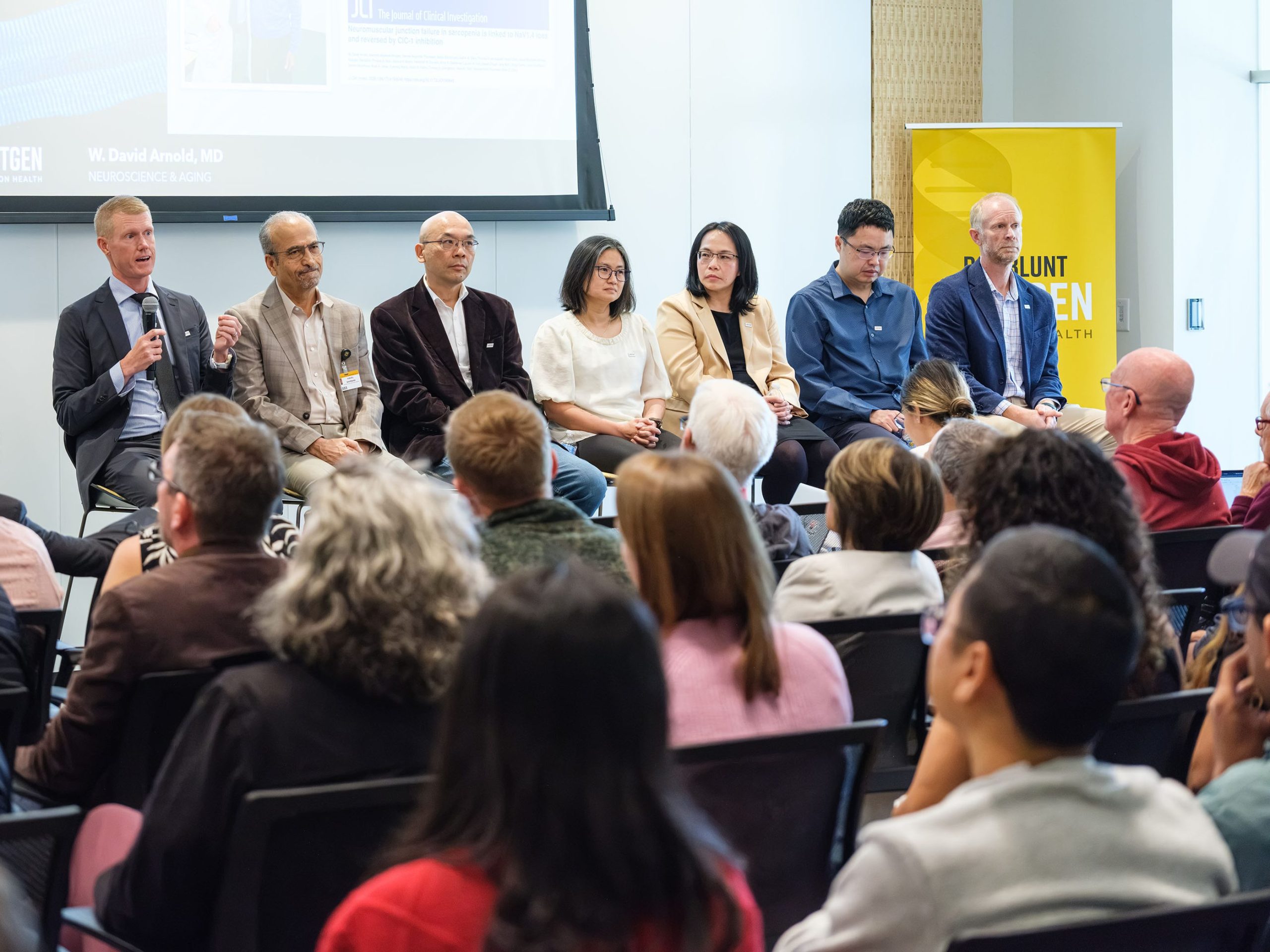
NextGen’s world-class resources have also created new opportunities to save and improve lives. A great example is the Clinical & Translational Science Unit (CTSU), which is already supporting historic discoveries. Thanks to the CTSU, Mizzou is the first clinical research site worldwide to administer a novel new therapy for ALS patients. In total, we’ve seen a 125% increase in active clinical studies over five years.
The breadth and importance of NextGen research is making a difference in Missouri, across the nation and around the world. I want to recognize Dr. W. David Arnold, NextGen Precision Health initiative executive director, Dr. R. Scott Rector, Roy Blunt NextGen Precision Health building director, and the entire NextGen team. Their commitment to collaboration and research excellence makes our momentum possible.
— Mun
Celebrating a Mizzoumade health care pioneer
Oct. 19, 2026
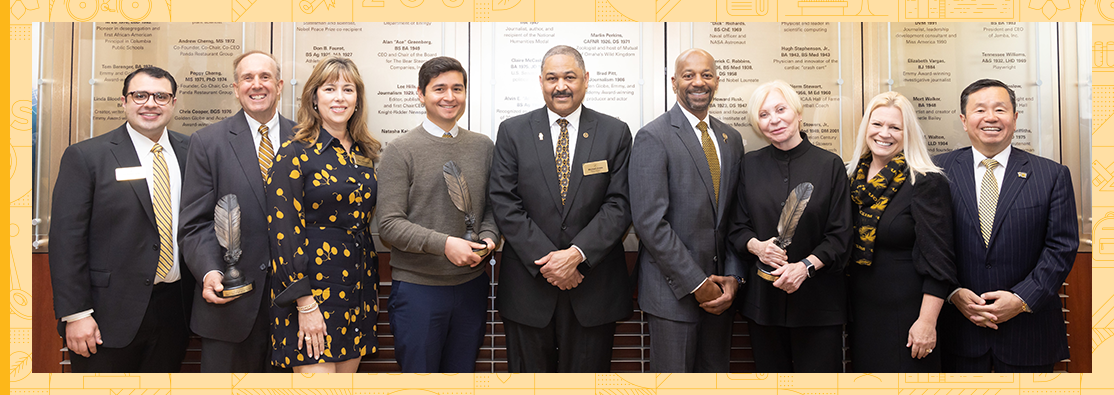
This week, distinguished Mizzou alum Dr. Michael Jones, BA ’86, MD ’97, will be recognized at the Crohn’s & Colitis Foundation’s Night for a Cure with the prestigious Uniting to Care & Cure Award. This honor reflects his proven excellence in research and patient care.
A native of Kansas City, Mo., Dr. Jones comes from a family dedicated to health care. His father was a urologist, and his mother was a nurse. He followed his parents’ example of service and care for patients. He met his wife, Lillian Mitchell-Jones, BA ’86, at Mizzou while both were undergraduates in biological sciences. Their three sons, Christian Jones, BA ’13; Andrew Jones, BS ’21; and Benjamin Jones, BS ’21, followed in their footsteps as Tigers, with Andrew and Benjamin continuing the family tradition as third-generation physicians.
Now based in the Cincinnati area, Dr. Jones is the vice president and director of clinical research at Tri-State Gastroenterology Associates. As a distinguished clinician, he saves and improves lives and has served as principal investigator in over 55 clinical trials. Dr. Jones attributes his four years in the School of Medicine to gaining valuable insight and leadership skills through his involvement in pre-medicine clubs.
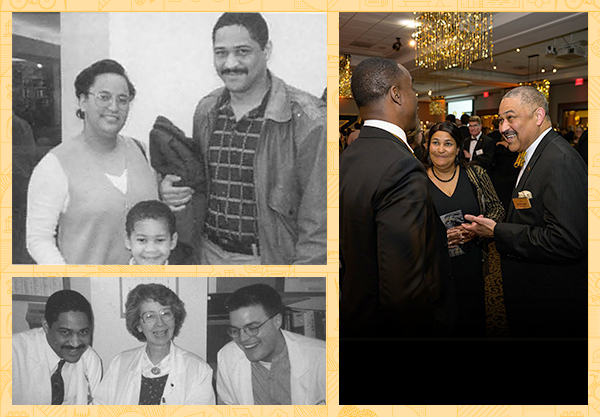
His leadership extends beyond the U.S., through a profound commitment to service. He and Lillian sponsor four students in Kenya, covering their tuition, food and supplies. Several mission trips have allowed them to see their generosity in action, advancing the students’ educational opportunities and future success.
Dr. Jones remains deeply connected to Mizzou. He’s served on the Jefferson Club Board of Trustees, as a cabinet member on the successful Our Time to Lead campaign and on the NextGen Precision Medicine Advisory Board. He and Lillian also support the next generation of physicians through the School of Medicine’s Pathways to Success Program, as well as the PBL-25 Scholarship Fund.
We are proud to count Dr. Jones among our 376,000+ global alumni and to celebrate his contributions to the School of Medicine’s more than 150-year tradition of excellence.
— Mun
Truman Symposium celebrates U.S.-ROK partnership in America’s 250th year
Oct. 15, 2026
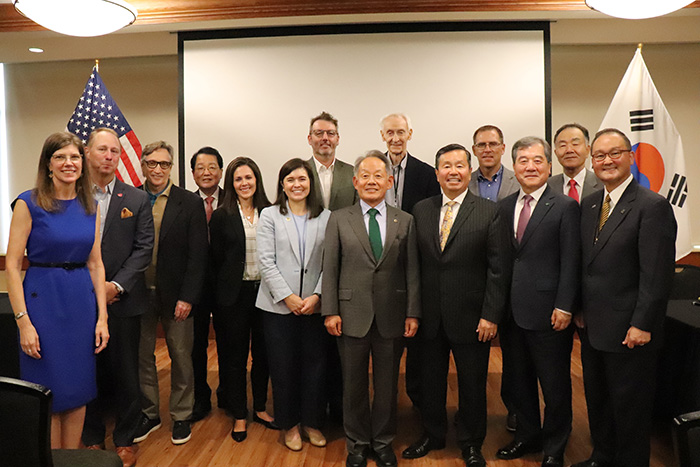
Yesterday, we were honored to host the Truman Symposium, commemorating the past, present and future of the U.S. and Republic of Korea’s enduring relationship. I was excited to deliver the keynote address to discuss Mizzou’s consortium partnership with KAERI, Hyundai and MPR Associates to advance nuclear innovation through NextGen MURR, as well as share my own journey from Korea to the U.S.
Distinguished guests included Clifton Truman Daniel, grandson of President Truman, Merrill Eisenhower, great-grandson of President Dwight D. Eisenhower, and Amanda Williams, director of the MacArthur Memorial, who served as discussant on the symposium panel, “The Legacy of President Truman and the Future of the U.S.-ROK Alliance.”
Thank you also to the esteemed Korean delegates, industry leaders and sponsors for the event, including Admiral (Ret.) Yoon Hee Choi, president of The Sea Power League of the Republic of Korea and former Chairman of the Republic of Korea Joint Chiefs of Staff; Rear Admiral (Ret.) ByungOk Moon, Secretary General of the Sea Power League of the Republic of Korea; Mr. Hwan-Ku Lee, President & CEO, Heung-A Shipping Co., Ltd.; and Sung-Wook Nam, professor emeritus, for the department of Unification and Diplomacy at Korea University.
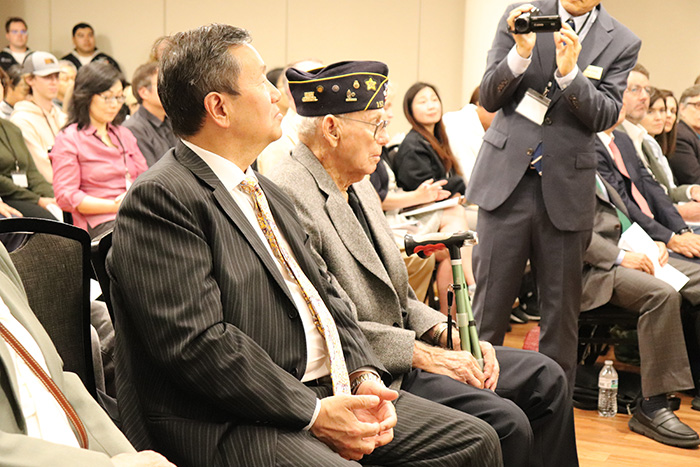
During the symposium, Korean War Veteran Mr. Mitchell Bennett, U.S. Navy (Ret.), was recognized for his courageous service and unwavering dedication to protecting our country.
As we reflect on the legacy of President Truman and the leaders who helped strengthen the U.S.-ROK alliance, we look ahead to new opportunities for collaboration. With these vital partnerships, Mizzou creates meaningful experiences for students and faculty, strengthens ties between nations and advances innovative, life-saving discoveries that positively impact the U.S. and the world.
— Mun
Studying pigs to save and improve lives
Oct. 12, 2026
Mizzou is recognized as one of the best foremost centers for swine genomics. Our facilities develop animal models to find solutions for the world’s toughest diseases, including cancer, Alzheimer’s disease and cystic fibrosis. In addition, our experts pioneer animal models for organ transplantation in humans, contributing to a rapidly growing field with the potential to save thousands of lives. Mizzou researchers helped create animal models for the “knockout” process that made many of today’s advances possible. For researchers across the country, we continue to supply needed models, making Mizzou a destination for scientists at the forefront of progress in human and animal health.
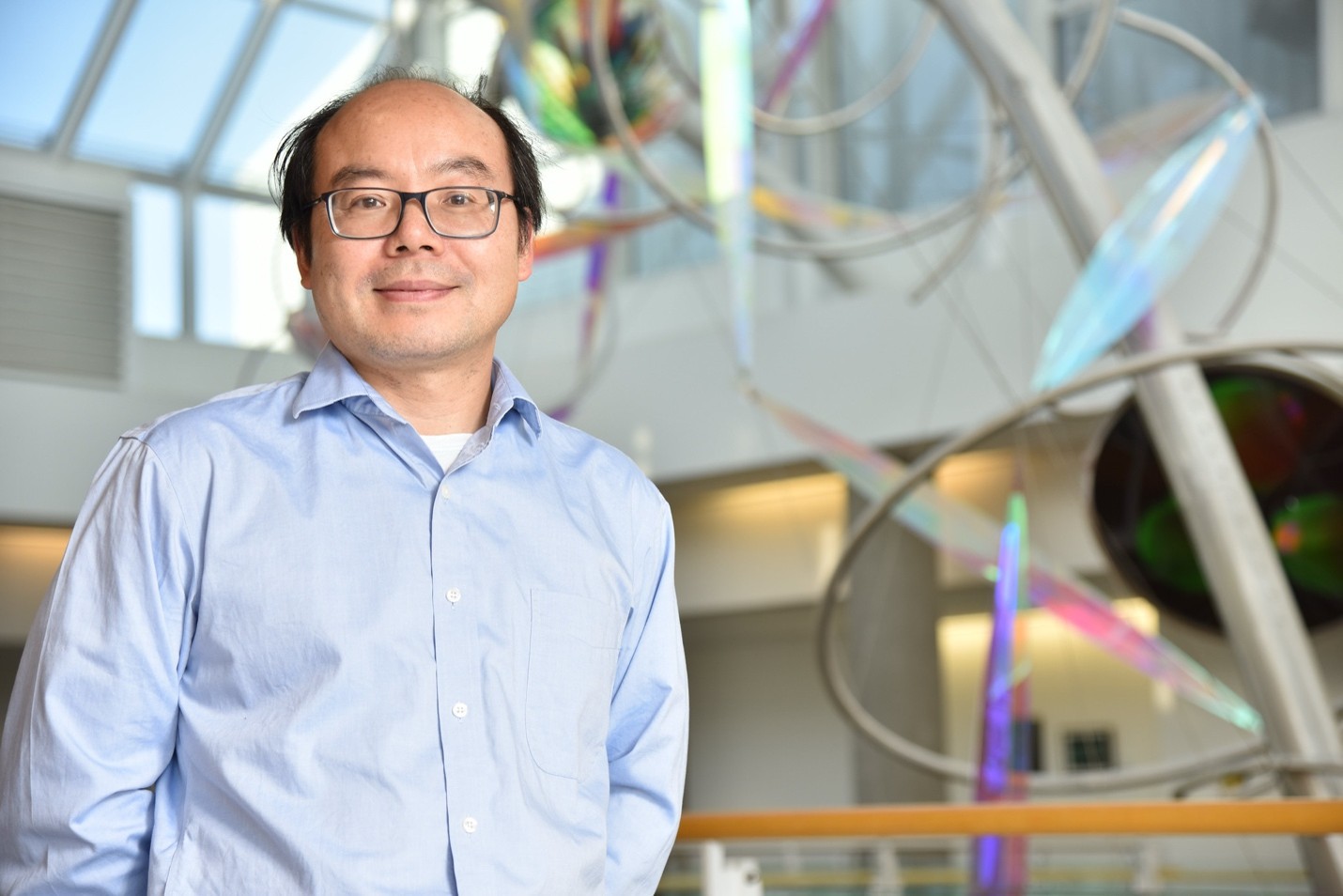
One of these pioneers is Dr. Xiu-Feng Henry Wan, a Curators’ Distinguished Professor, who was recruited from Mississippi State University. Dr. Wan just received a $19 million NIH grant to investigate influenza and develop novel vaccines. This brings his total research award to over $60 million.
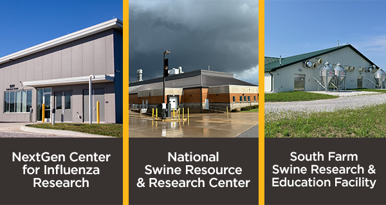
To continue this momentum of breakthroughs in swine research, we recently opened three new swine facility expansions with investments from the State of Missouri and the NIH. Each facility continues to strengthen Mizzou’s role as one of America’s leading research universities.
To learn more about:
- NextGen Center for Influenza and Emerging Infectious Diseases, click here
- National Swine Resource and Research Center, click here
— Mun
Renovated Walton Stadium is ready for championships
Oct. 11, 2026
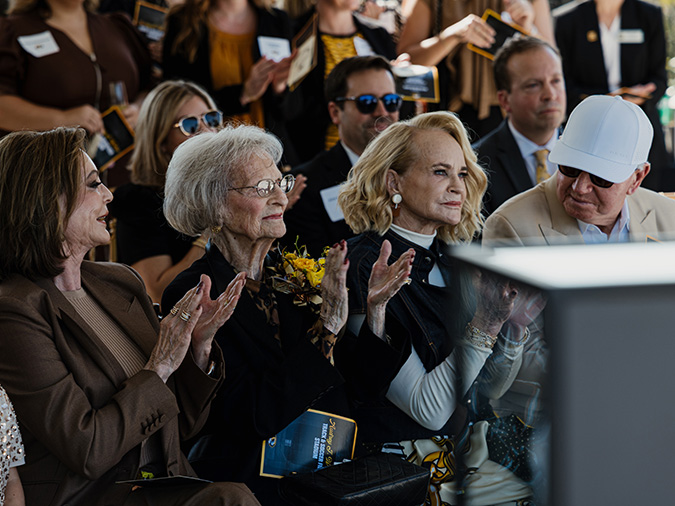
Last week, I was thrilled to attend a special event celebrating the completion of renovations to our Audrey J. Walton Track/Soccer Stadium. We were joined by coaches, student-athletes and supporters, including Mrs. Walton, whose incredible generosity made this remarkable facility possible.
Mrs. Walton’s 2024 gift allowed us to make important updates to the stadium that bears her name, including a resurfaced field and surrounding track. It’s also the latest commitment from Mrs. Walton to advance opportunities for Mizzou’s track & field and women’s soccer teams.
Her commitment to this project spans nearly 30 years of leadership and support. The stadium was first built following a significant gift from Mrs. Walton in 1996. Further enhancements were undertaken in 2006, thanks to her continued generosity. Together, these investments in our student-athletes have cemented Walton Stadium’s status as one of the premier facilities of its kind in the SEC.
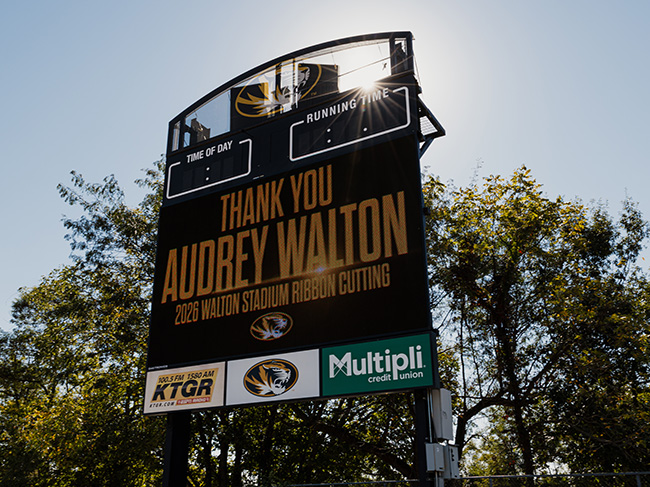
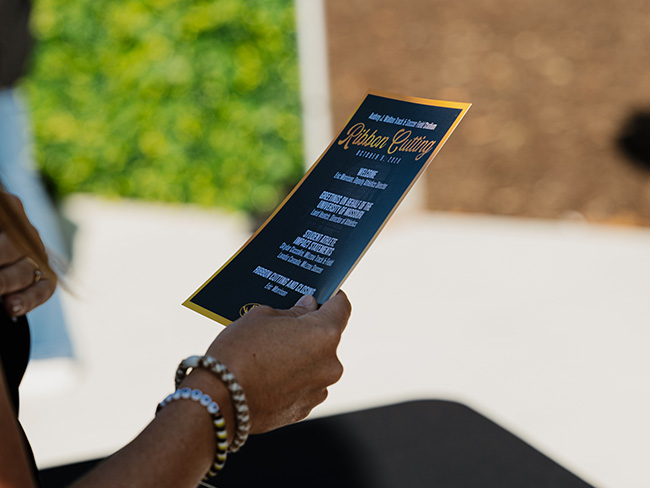
We are so grateful for Mrs. Walton’s dedication, which has created a legacy of competitive excellence that continues to impact Tigers and our entire community. Now, our talented student-athletes can compete at the top of their game, and we look forward to elevating our programs to the next level of success.
— Mun
MURR at 60: A vital national resource
Oct. 5, 2026
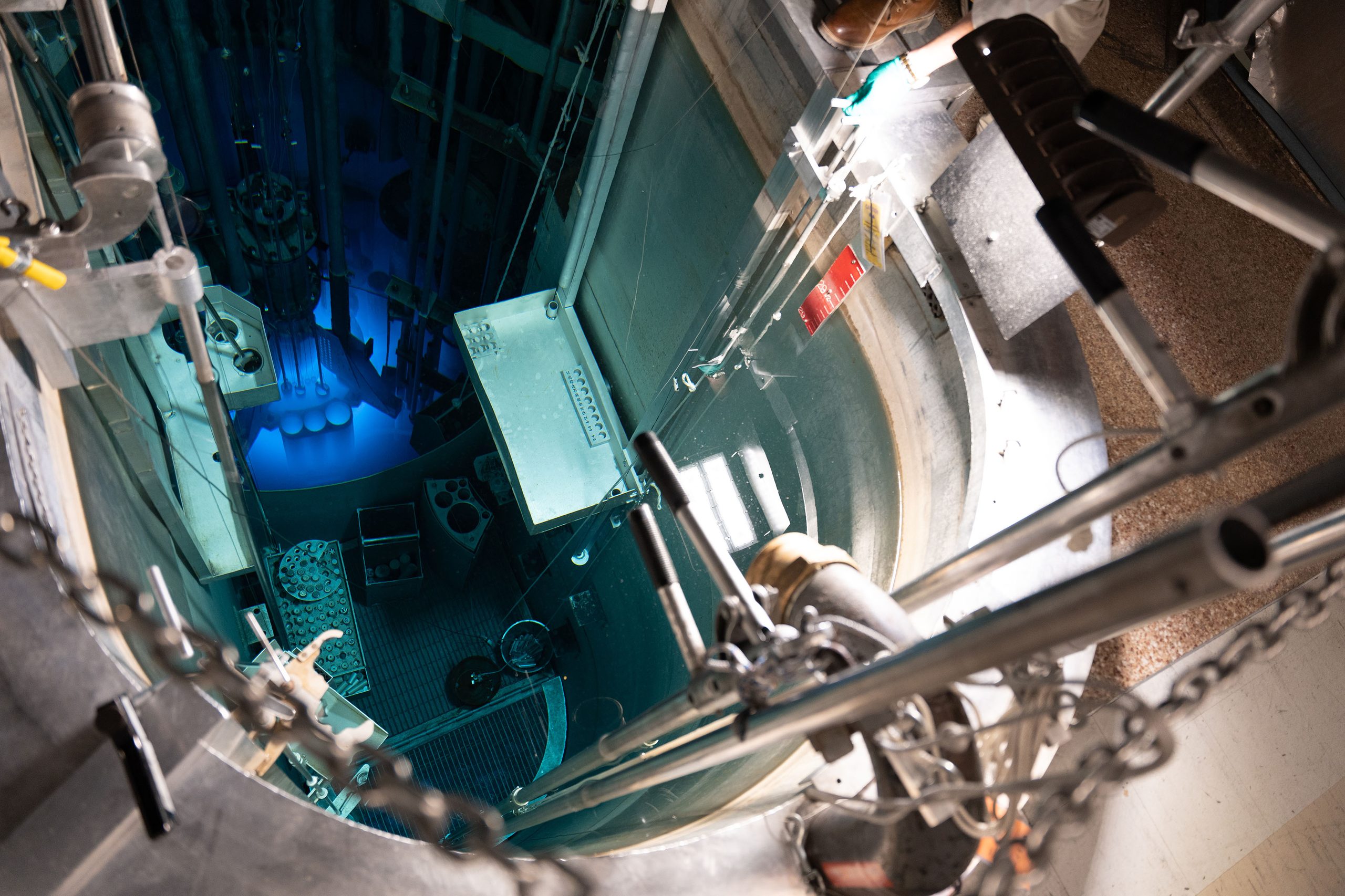
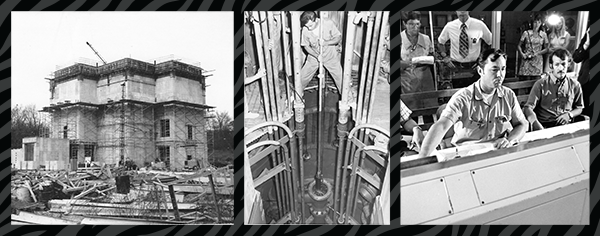
The University of Missouri Research Reactor (MURR) was built 60 years ago, rising on the site of a former polo field. Inspired by then-President Elmer Ellis’s vision for nuclear-driven innovation, MURR has grown into the nation’s premier university research reactor, operating every day to power discoveries that save and improve lives.
At a special event next week, we’ll celebrate this historic milestone alongside state and university leaders, as well as the researchers and patients who know MURR’s capabilities firsthand. As we mark MURR’s legacy, we also look ahead to expanding its impact for future generations. Six decades later, MURR continues to change the world.
MURR achieved criticality on Oct. 13, 1966, and was upgraded to 10-megawatts in 1974. To this day, it remains the most powerful university research reactor in the country, ahead of those at MIT, Kansas State and the University of Texas.
Thanks to MURR’s strength and reliability, it is the country’s sole domestic source of four vital radioisotopes used to fight cancer. It also serves as a critical hub for next-generation energy research, isotopes for industry and strategic applications, archaeology and many other fields where students and faculty make transformative breakthroughs. The reactor is a critical workforce training ground for the nuclear field, with MURR-trained experts making contributions throughout national laboratories and industry.
MURR is a cornerstone of Mizzou’s research enterprise and one of our many world-class facilities. In May, we celebrated the grand opening of the state-of-the-art, 74,000-square-foot Thompson Center for Autism & Neurodevelopment building. The Roy Blunt NextGen Precision Health building is celebrating its fifth anniversary, after becoming Mizzou’s first new research facility in more than a decade. Earlier this semester, we broke ground on the Payne Energy Innovation Center, which will develop groundbreaking energy solutions that strengthen our state’s economy and workforce.
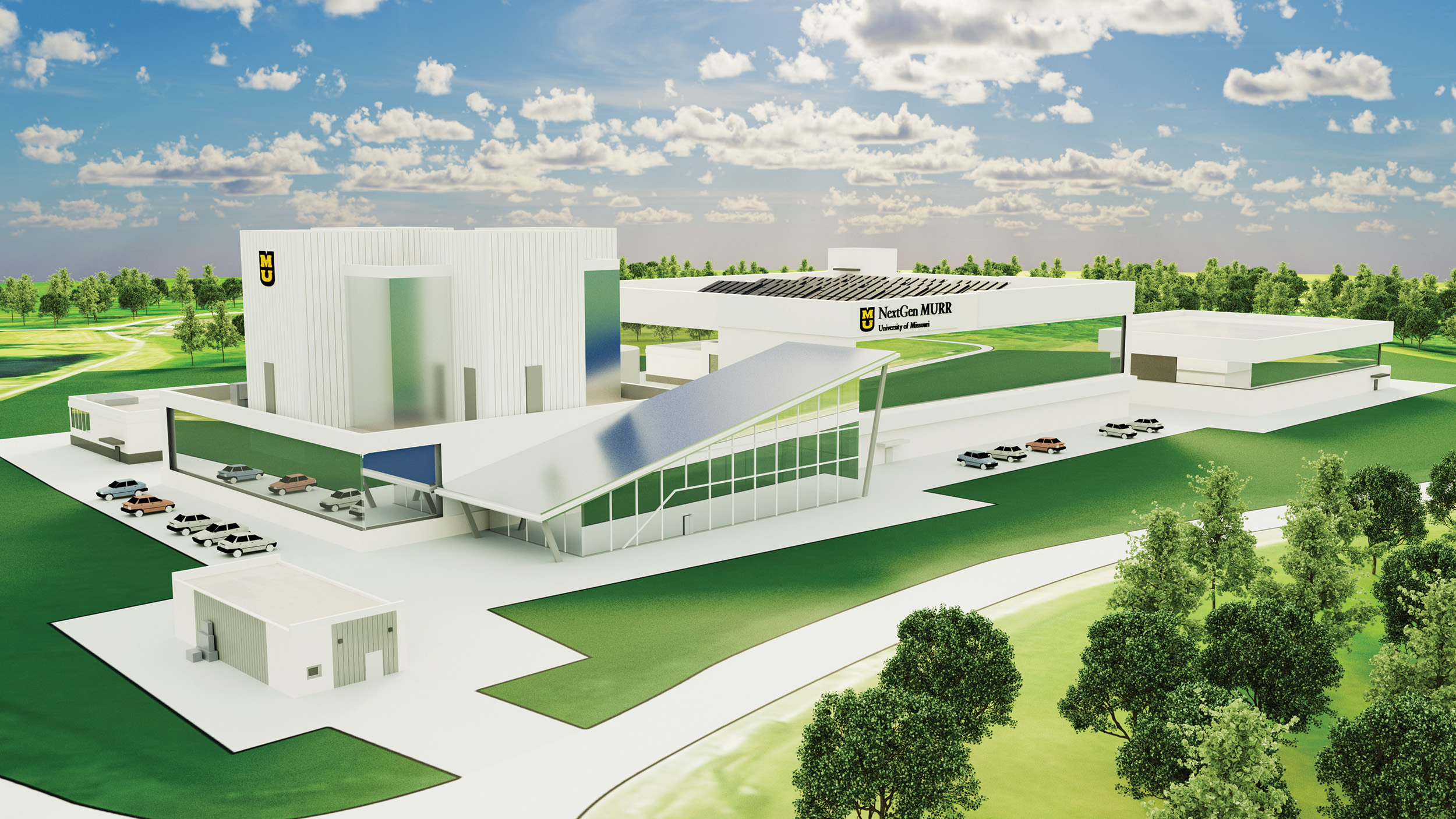
We’re also building on MURR’s longstanding record of excellence through NextGen MURR, a new, twice-as-powerful reactor. This spring, we broke ground on a collaboration with the U.S. Department of Energy and the State of Missouri to construct the Radioisotope Science Center near the NextGen MURR site, helping expand production of radioisotopes that are strategically important to our country’s security and future.
MURR’s continued value to our university, state and nation is a testament to the foresight and investments of those who recognized its enormous potential six decades ago. With that same spirit of ambition, and with the strong support of our Board of Curators, Missouri Governor Mike Kehoe and Missouri’s federal and state legislative delegations, we are thrilled to celebrate how far we’ve come and the tremendous possibilities that lie ahead.
— Mun
A Homecoming tradition of record-setting service
Sep. 30, 2026
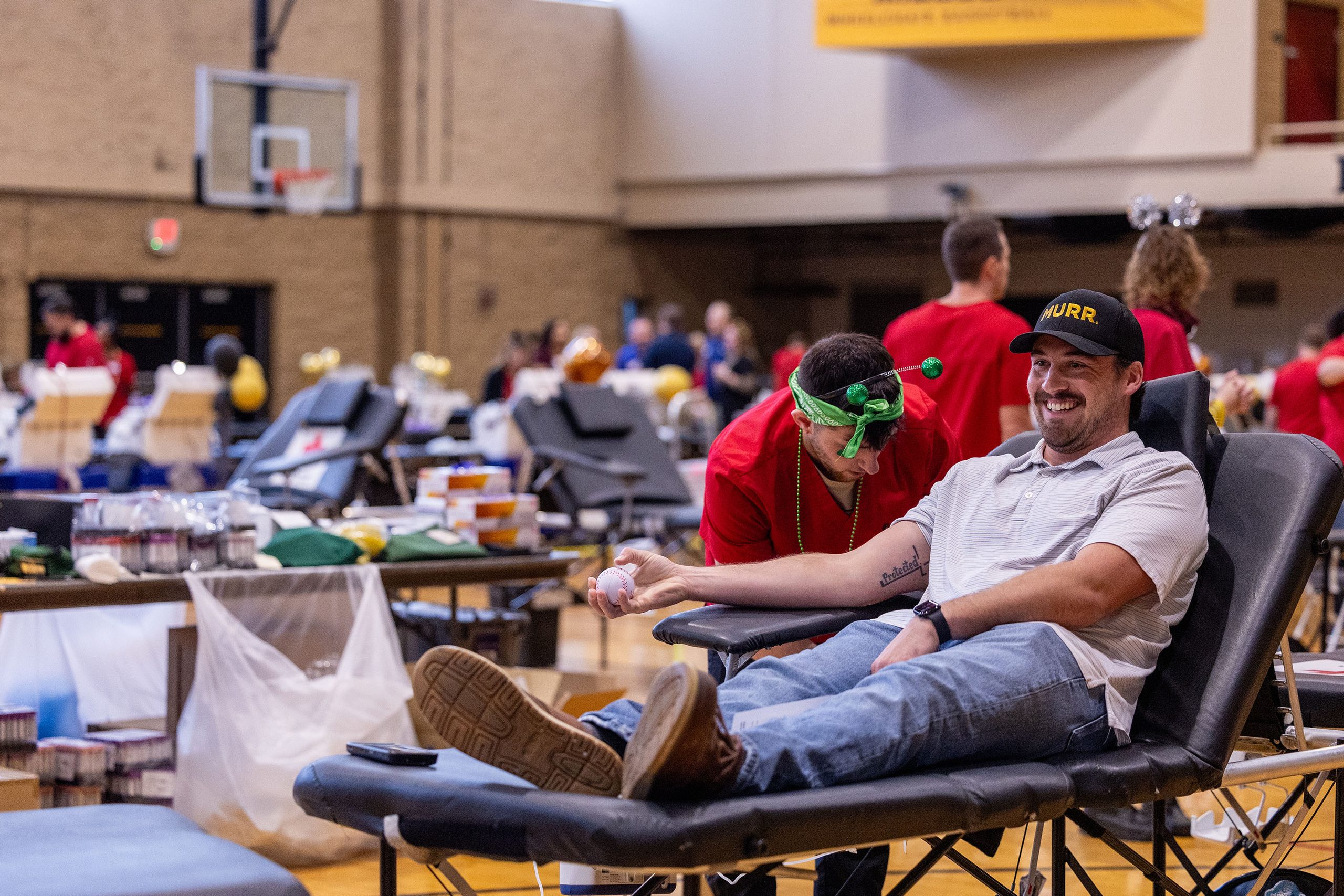
Mizzou Homecoming means exciting victories at Memorial Stadium and proud traditions that unite alumni, students and supporters of all ages. Just as important to the nation’s first and best Homecoming is our legacy of service. Across campus and throughout the community, Tigers make a difference.
Our annual student-run Homecoming Blood Drive remains the largest of its kind in the nation. Over four days, volunteers collected 5,150 units of blood for the American Red Cross, breaking the previous record by nearly 100 units.
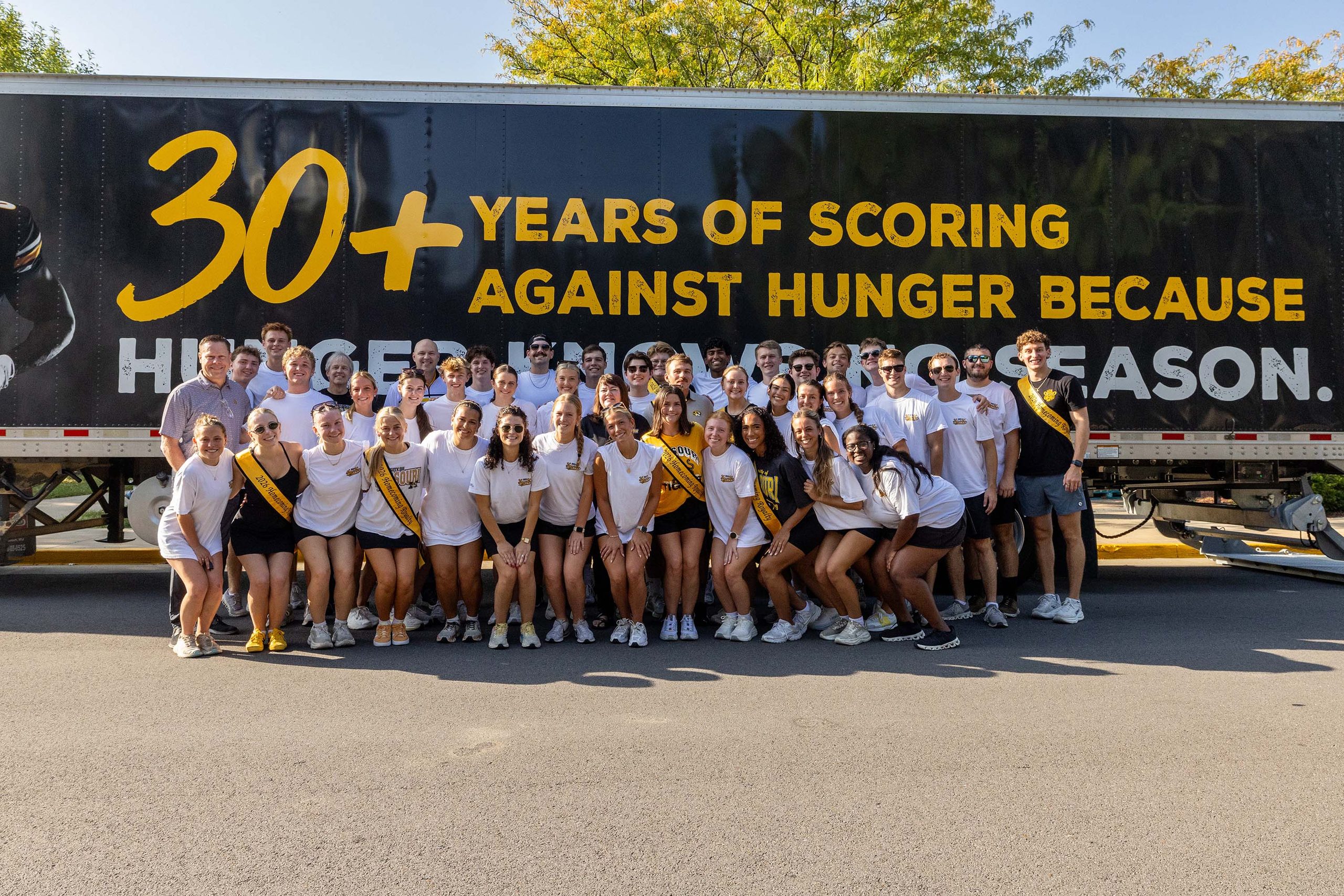
Students also drove a historic turnout for our annual Tiger Food Fight collection for the Food Bank for Central and Northeast Missouri, which also benefits Tiger Pantry. They gathered more than 181,000 pounds of food, reflecting the hard work of volunteers who contributed 240 total hours of service to this important effort.
Our outreach continued with the Homecoming Day of Service, where students volunteered with organizations throughout the local community. Tigers completed 1,700 cumulative hours. That’s the equivalent of more than 70 days of service.
It’s part of our land-grant mission to serve others and all of Missouri. When Tigers work together, our impact is incredible. Happy Homecoming, and M-I-Z!
— Mun
A century of Homecoming history at Memorial Stadium
Sep. 28, 2026
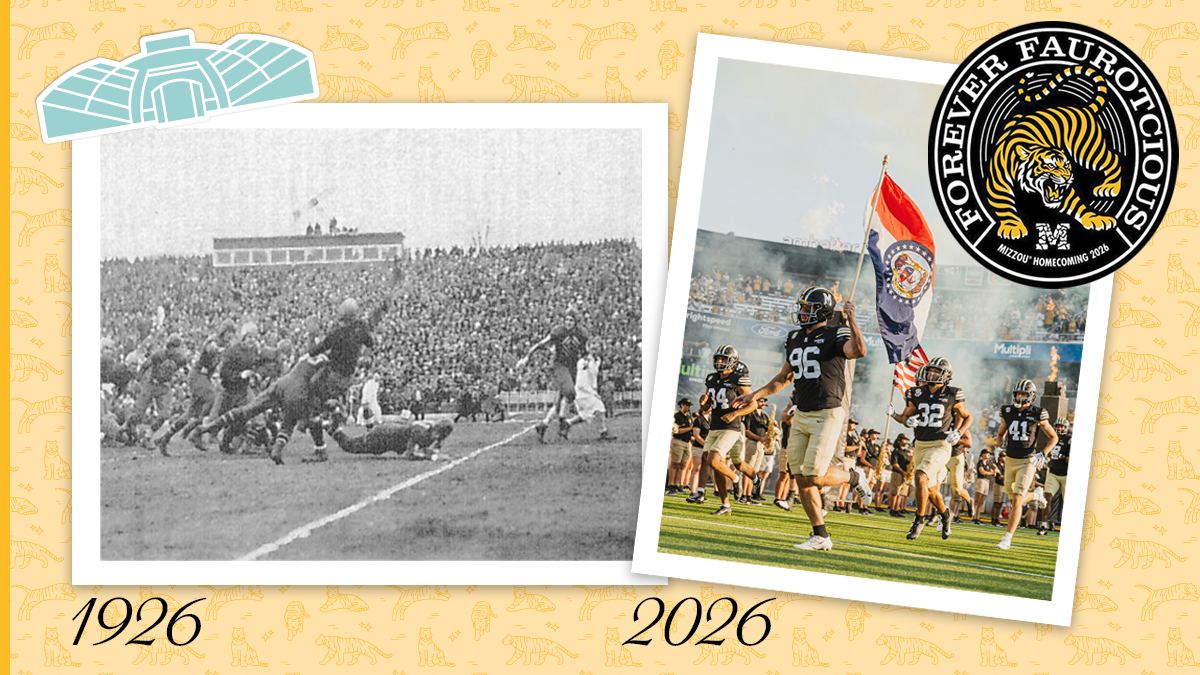
This year, we celebrate 100 years of Memorial Stadium as well as Mizzou Football’s historic role at the center of Homecoming celebrations. Fifteen years before Memorial Stadium opened in 1926, we were the first to invite all alumni to return to campus and cheer the Tigers on to victory. Now, as we celebrate the completion of the stadium’s transformation, we also recognize the proud history, exciting wins and shared memories that define Homecoming at Mizzou.
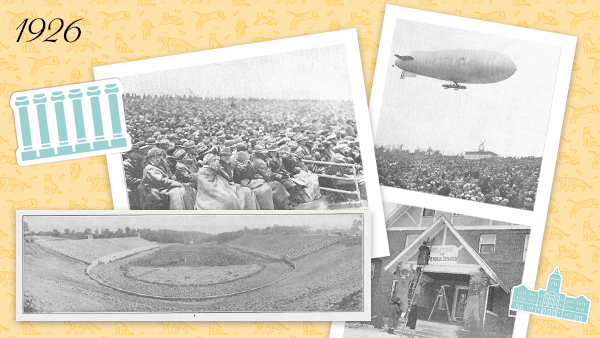
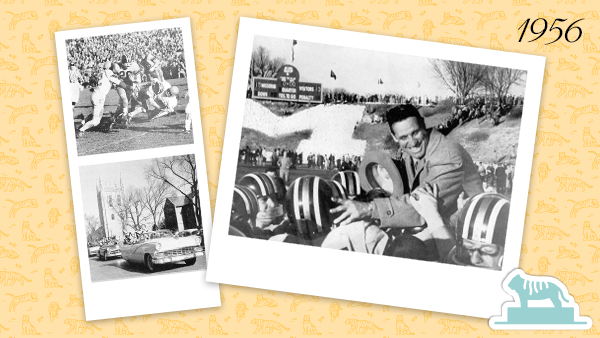
The Tigers’ first Homecoming game at Memorial Stadium was a decisive 15-0 victory over Kansas in front of a record crowd of 30,000 who sat through a swirling snowstorm. Kansas remains our most frequent Homecoming opponent (nearly 30 times) with Mizzou counting 18 wins in the series – including legendary games like Don Faurot’s finale as Mizzou head coach in 1956, where the Tigers won with a last-second safety. Earlier this season, the Tigers scored another historic win against the Jayhawks.
In 1972, the same year the field was dedicated in honor of Coach Faurot, the Tigers defeated the Colorado Buffaloes, then the #7 team in the country, in one of Tiger Football’s most thrilling Homecoming victories. This year’s theme, “Forever Faurotcious” recognizes that special places like Faurot Field, along with beloved traditions like the parade and house decs, are an essential part of the nation’s first and best Homecoming.
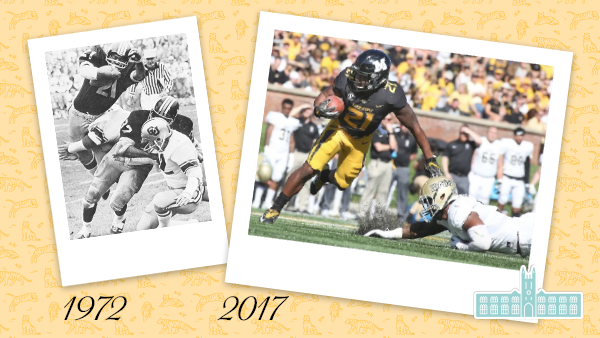
The legacy of excellence continues to the present day. Mizzou has come out on top in each Homecoming matchup for nearly a decade, including one of the largest margins of victory ever in a Mizzou Homecoming game when we defeated the Idaho Vandals 68-21 in 2017.
As we begin the next 100 years of Memorial Stadium, we look forward to securing our 10th consecutive Homecoming win when we beat the Florida Gators. I hope to see you at Memorial Stadium and at the many events planned throughout Homecoming Weekend.
— Mun
Dr. Asuroglu recognized with top awards for new music composition
Sep. 22, 2026
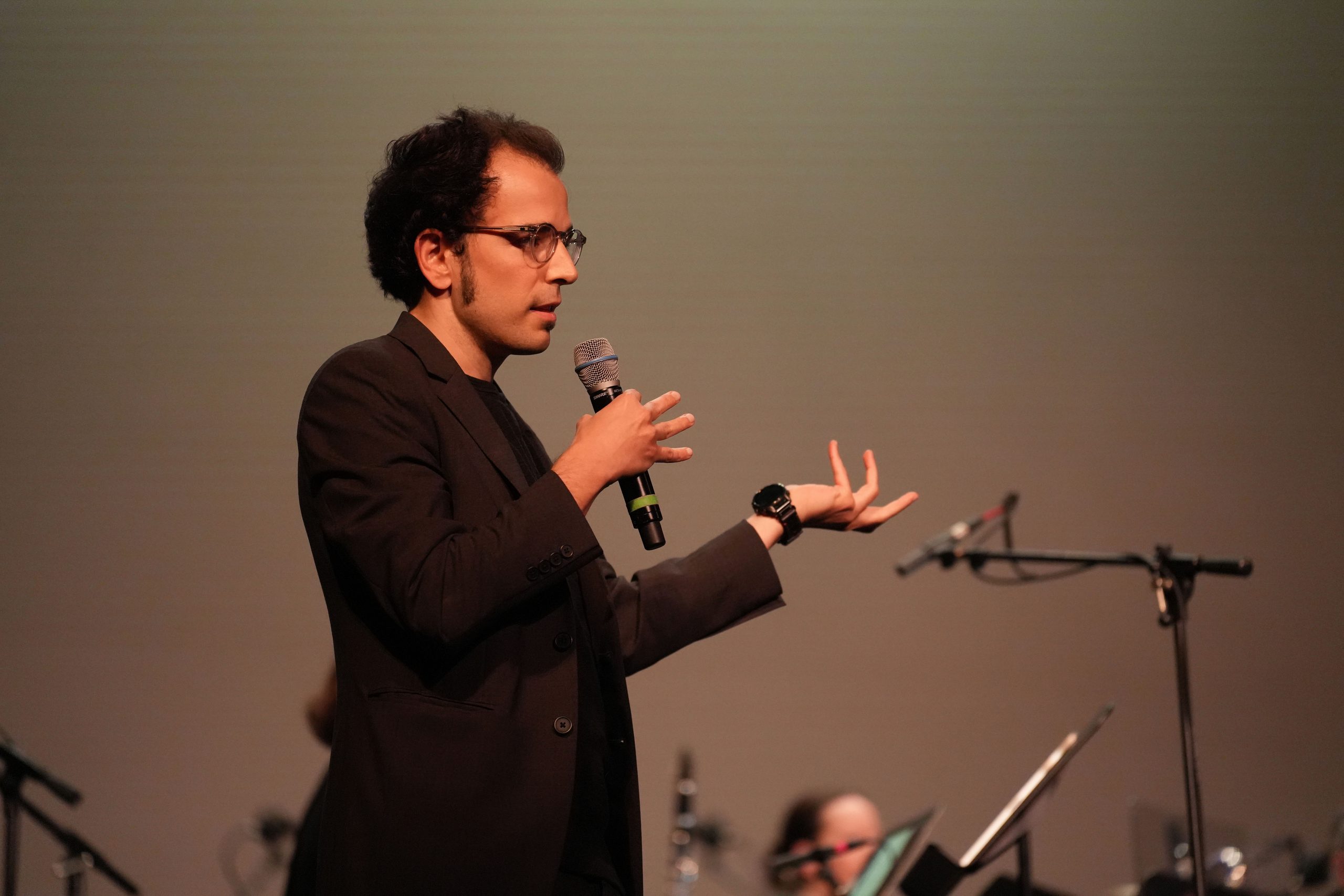
Mizzou is one of the nation’s top universities, as well as a global destination for new music composition. Our School of Music faculty are breaking new ground and receiving some of the most prestigious honors in the field for their work.
One recent honoree is Dr. Utku Asuroglu, assistant professor of composition. Dr. Asuroglu has just received several highly competitive awards.
Dr. Asuroglu was awarded a MacDowell Fellowship to attend a prestigious artist residency in New Hampshire. Past recipients include world-famous composers Leonard Bernstein and Aaron Copland, as well as accomplished artists across disciplines.
In addition, he received a commission from the Serge Koussevitzky Music Foundation in the Library of Congress to compose a new work. He is one of only six composers awarded a commission in 2026. He was also awarded a fellowship from the Bogliasco Foundation in Italy for Spring 2027. Past winners of this international fellowship include Pulitzer Prize-winning composers John Harbison and Steven Stucky.
Previous honors for Dr. Asuroglu include a 2024 Guggenheim Fellowship, one of the most distinguished fellowships in the country.
As we celebrate Dr. Asuroglu and the Mizzou School of Music, we also remain grateful for the visionary leadership of Curator Jeanne Cairns Sinquefield and Rex Sinquefield. Their incredible support has created tremendous opportunities for our music composition students and faculty to achieve excellence, including through the Mizzou New Music Initiative and the Sinquefield Music Center. Thanks to their commitment to our community, Mizzou is a nationally recognized hub for innovative faculty advancing their art form.
Congratulations, Dr. Asuroglu! I look forward to seeing what our School of Music achieves next.
— Mun